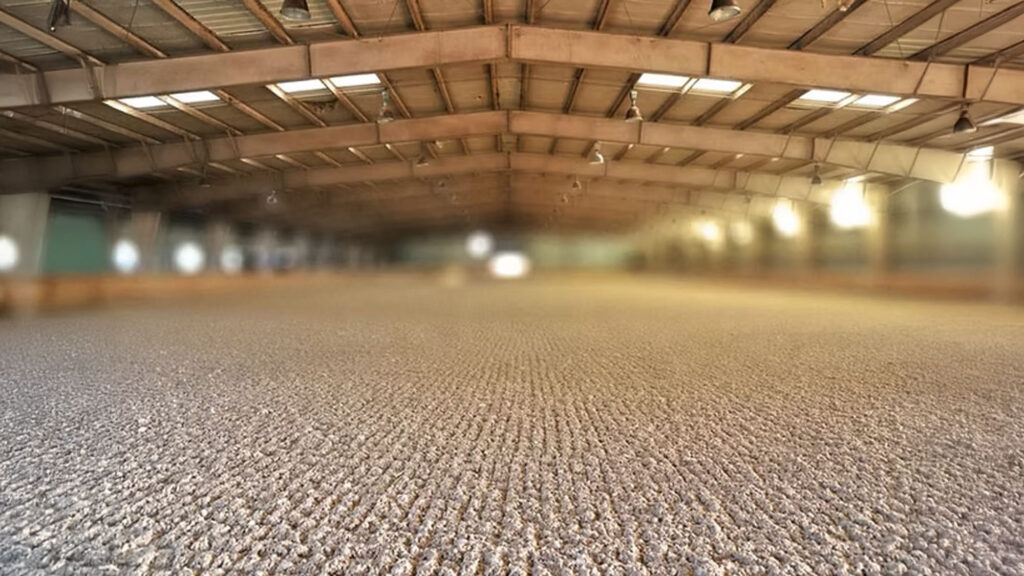
Your arena conditioner works hard to keep your riding surface consistent. Its tines, teeth, and rollers help redistribute material, manage compaction, and maintain the blend of sand and textile fibers. Keeping those components in good condition helps your equipment do its job effectively.
A seasonal checklist gives you an opportunity to catch wear, review adjustments, and prepare for changing workloads. But the calendar is only part of the picture. Maintenance should also reflect operating hours, storage conditions, and the instructions for your specific model.
Use the checklist below to organize your year, with your GGT Footing conditioner manual as the starting point for model-specific procedures and service intervals.
Spring is a useful time to give your arena drag a thorough inspection, especially if it has been stored or used less frequently over winter. Start with cleaning so you can see the components clearly, then check wear items and adjustments before returning to a heavier schedule. Regular cleaning and inspection are part of recommended conditioner care.
Check the working-depth settings before grooming. GGT Care conditioners feature adjustable spring tines and deep-loosening teeth, so setup should match the footing system and the task—not simply remain where it was at the end of the previous season.
When your riding and grooming schedule gets busier, your equipment’s maintenance schedule should keep pace. A seasonal inspection does not replace service that becomes due during regular operation.
For example, the GGT Care 57 manual specifies lubrication of designated, yellow-capped grease points every 25 working hours. That interval applies to the equipment covered by that manual; always verify the requirements for your own conditioner.
Grooming frequency and equipment maintenance are related, but they are not the same thing. The arena’s use helps determine how often it needs conditioning, while the conditioner’s manual determines its service requirements. A heavily used arena may require a different routine from a lightly used private facility.
Fall is a good checkpoint for reviewing the wear that has accumulated during the year. Whether you plan to continue grooming throughout winter or store the conditioner, identify damaged components and outstanding maintenance before changing your routine. Routine inspections and occasional tine replacement are part of GGT Footing’s conditioner maintenance recommendations.
Avoid assuming that every tine or tooth needs replacement on a fixed annual schedule. GGT Footing notes that these components can typically last several seasons with regular use, but routine inspection remains important for deciding when replacement is needed. Our arena conditioner FAQs provide additional information about wear parts, replacement options, and equipment support.
Winter maintenance depends on whether your conditioner stays in service. An arena drag used regularly still needs its scheduled care, while equipment being stored needs preparation appropriate to its model.
Use your manual to establish the correct cleaning, parking, storage, and return-to-service procedures. Do not assume that instructions for one GGT conditioner apply to every model. Separate operation and maintenance manuals are available through our conditioner manual library.
If you are unsure how to service or prepare a component, consult the relevant manual or contact GGT Footing rather than improvising a procedure.
Maintaining the equipment is only half the job. It also needs to be configured appropriately for the riding surface.
GGT Footing recommends a fiber-compatible arena drag equipped with spring tines and a roller to help keep sand and textiles mixed together. Working depth and other adjustments should suit the installed footing system and avoid disturbing the base.
Make consistency the goal: consistent inspections, appropriate settings, and timely attention to wear. Keeping a simple maintenance record can help you organize that work. Record service dates, operating hours, replacement parts, and any issues you want to monitor, using the manufacturer’s intervals as your guide.
A well-organized maintenance routine helps you identify wear and keep required service from slipping through the cracks. Combine seasonal inspections with the operating-hour requirements in your manual rather than relying on the calendar alone.Explore GGT Footing’s arena conditioner maintenance videos and operation manuals for guidance specific to your equipment. If you need help with replacement parts or model selection, contact our team to discuss your conditioner and arena needs.