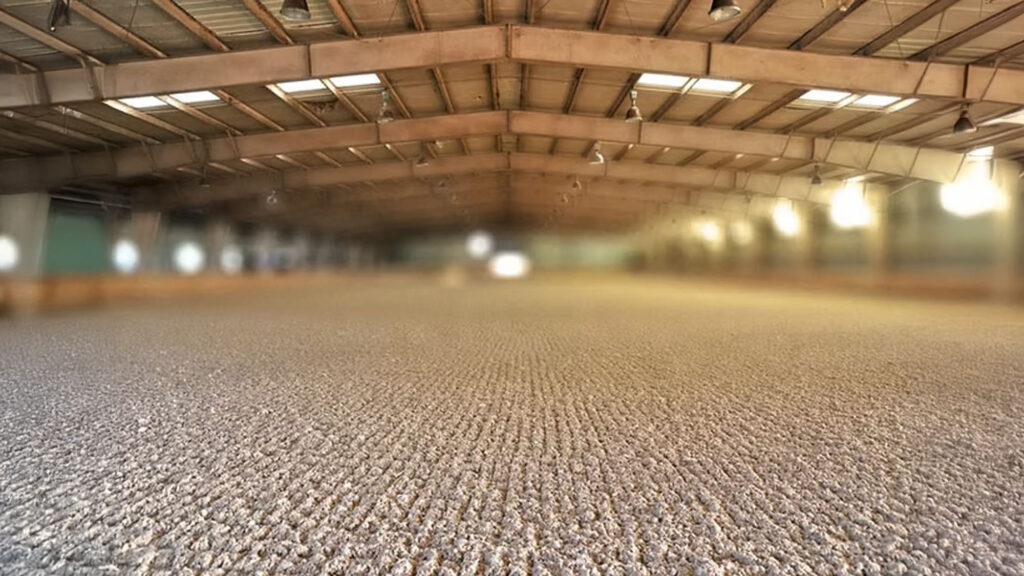
Creating a safe riding environment starts with choosing the right footing. The surface beneath a horse’s hooves directly impacts traction, stability, and long-term soundness. Whether you manage a private barn or a large equestrian facility, understanding what makes the best footing for horse arenas is essential for safer, more consistent rides.
Arena footing is more than just a surface—it is a performance foundation. Poor footing can contribute to slips, excessive strain on joints, and inconsistent movement. High-quality footing, on the other hand, supports the horse’s biomechanics while giving riders confidence in every stride.
A well-designed arena surface helps reduce injury risk and promotes better training outcomes across disciplines.
Not all footing performs the same. The best footing for horse arenas shares several important characteristics that directly contribute to safety and rideability:
Balancing these elements is critical to achieving a surface that performs reliably over time.
Arena footing is typically made up of a base layer and a top riding surface. The materials used in the top layer play a major role in performance.
Blended footing solutions—such as sand combined with fiber—help improve stability and elasticity. Fiber reinforcement binds the surface together, reducing displacement and maintaining consistent conditions even with heavy use.
Choosing the right composition ensures the footing adapts to your discipline while maintaining safety standards.
Even the best footing requires proper maintenance to perform at its peak. Regular dragging, watering, and monitoring of footing depth are essential to prevent uneven spots and compacted areas.
A consistent maintenance routine helps:
Without proper care, even high-quality footing can become a safety concern.
Different riding disciplines place unique demands on arena surfaces. For example, dressage requires stability and uniformity, while jumping arenas need a balance of grip and shock absorption for takeoff and landing.
Selecting footing that aligns with your discipline ensures both horse and rider can perform safely and effectively.
The best footing for horse arenas is one that prioritizes safety, consistency, and long-term performance. By focusing on quality materials, proper installation, and ongoing maintenance, barn owners can create an environment that supports horse health and rider confidence.
Investing in the right footing is not just about performance—it is about protecting every ride.