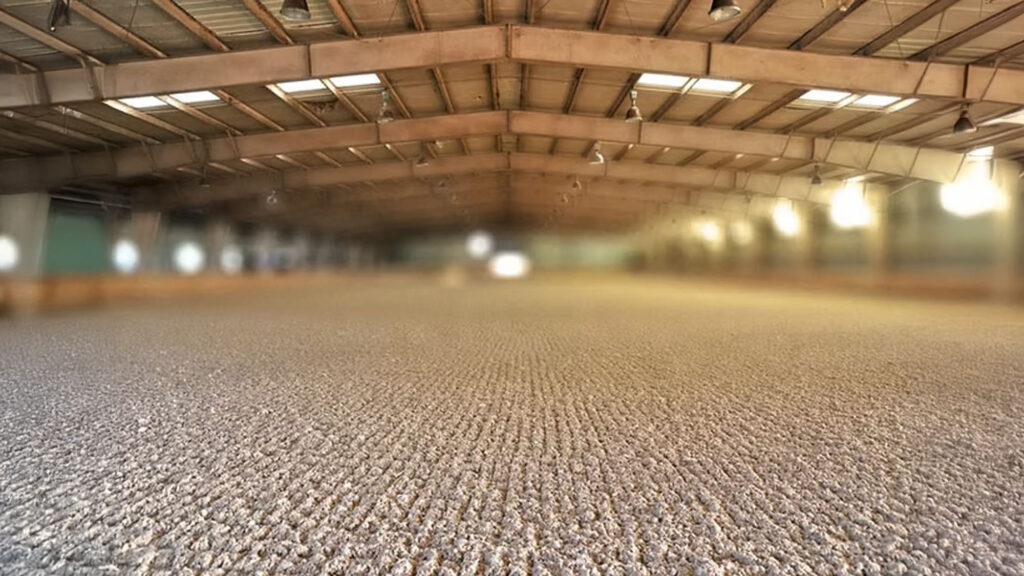
Horse arena footing is one of the most important parts of any riding facility, yet it is often one of the least understood. The surface beneath your horse affects traction, comfort, drainage, performance, and long-term safety. Whether you are building a new arena or improving an existing one, understanding footing helps you make better decisions for both horses and riders.
Not all footing performs the same. Different materials, base conditions, and maintenance routines can dramatically change how an arena rides. That is why it is worth learning what makes footing work, what affects its performance, and how to choose a system that fits your facility.
Arena footing is more than the top layer of material a horse travels on. It is part of a complete system that helps create a rideable, consistent, and supportive surface. The right footing helps horses move confidently while reducing the risk of slipping, stumbling, or excessive strain.
A well-designed footing surface also helps protect the arena itself. It can improve drainage, reduce dust, and support more even wear over time. For facilities that depend on daily use, footing plays a major role in how the entire arena functions.
A good arena surface usually starts with a strong base and a carefully selected top layer. The base provides structure, drainage, and stability. The footing material sits on top and creates the actual riding surface. In some cases, additives or stabilizers are also used to improve performance.
Each layer matters. If the base is uneven or does not drain properly, the surface above it may become inconsistent. If the footing material is not suited to the arena’s use, the ride may feel too hard, too deep, too loose, or too dusty. The best results come when every part of the system works together.
The type of footing material you choose has a major effect on performance. Sand is commonly used because it provides structure and traction, but sand alone is not always enough to create an ideal riding surface. Many arenas benefit from blends that include fibers or other performance-enhancing components.
Different materials serve different purposes. Some improve stability, some help with moisture retention, and others add cushion or binding. Choosing the right combination depends on the discipline, the climate, and the level of use the arena will see.
One of the biggest goals of arena footing is consistency. A horse should feel the same surface across the entire arena, not one that changes dramatically from one section to another. Consistency helps support better movement, better training, and better overall safety.
When footing becomes uneven, too shallow, or compacted in some places and loose in others, performance suffers. Horses may change how they travel to compensate for the surface. Riders may also feel the difference in balance, responsiveness, and reliability. A consistent footing system supports better results for everyone.
Moisture is one of the most important factors in footing performance. Too much water can make the surface heavy or unstable. Too little can lead to dust, looseness, and reduced traction. The right amount of moisture helps the footing hold together and perform more predictably.
Different footing types handle moisture differently. Some are better at retaining water, while others require more active management. Knowing how your footing responds to dry or wet conditions helps you maintain a better surface throughout the year.
Even the best footing will not stay in good shape without regular maintenance. Grooming, watering, monitoring depth, and redistributing material all help keep the arena consistent. Over time, use patterns, weather, and traffic can change the way the footing behaves.
A good maintenance routine can extend the life of the footing and help prevent problems before they become serious. It also makes the surface safer and more enjoyable to ride on. In many cases, footing performance is less about the material alone and more about how well it is maintained.
The right footing depends on how the arena is used. A private training space may need something different than a busy lesson barn or competition venue. Discipline also matters. Dressage, jumping, western, and multi-use facilities may all require different footing characteristics.
Climate and base conditions should also influence your decision. If your arena has drainage issues or sees extreme weather, those factors need to be part of the plan. The best footing is the one that matches the real conditions of your facility, not just a general product description.
If your arena is difficult to maintain or no longer performs the way it should, the footing may be part of the problem. Common signs include dust, hard spots, deep or loose areas, poor drainage, and uneven ride quality. If horses seem less comfortable or the arena requires constant correction, it may be time to reassess the surface.
An upgrade does not always mean starting over. In some cases, the base may need adjustment or the footing blend may need to be improved. Understanding the issue is the first step toward creating a better surface.
Horse arena footing affects every ride, every training session, and every horse that uses the space. When the materials, layers, and maintenance plan are all working together, the result is a safer, more consistent, and more effective riding surface.
At GGT Footing, we believe the best arenas start with a smart footing system. Whether you are building new or improving what you already have, understanding your footing is the key to building a surface that performs well over time.