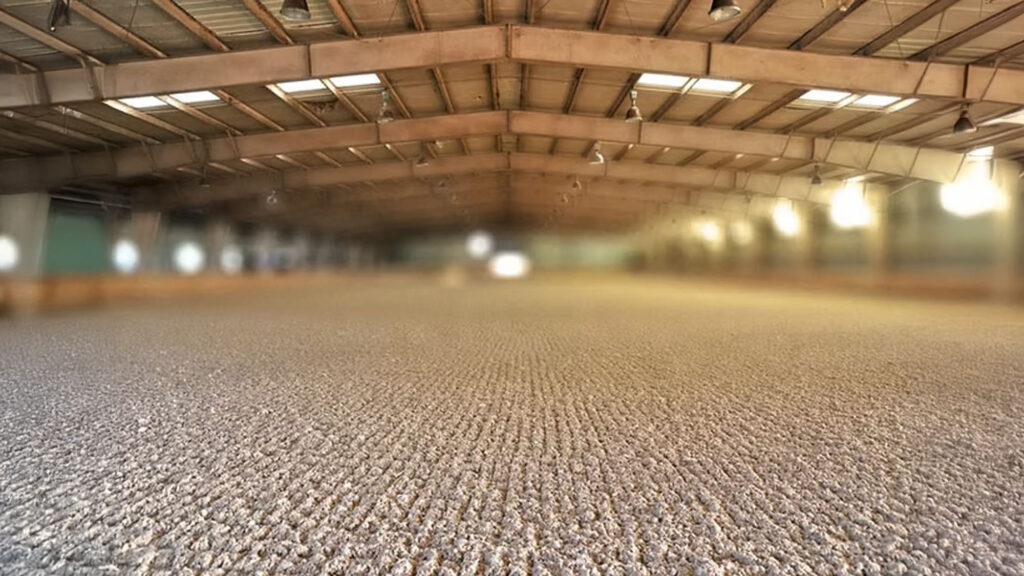
In show jumping, every stride, takeoff, and landing depends on the quality of the arena surface. The right footing does more than support performance—it directly influences a horse’s confidence, safety, and long-term soundness. Understanding how equestrian surfaces impact jumping performance can help riders and facility managers make informed decisions that elevate results in the ring.
Jumping places unique stress on both horse and surface. Unlike flatwork, jumping involves repeated impact, propulsion, and directional changes.
A well-designed jumping surface must provide:
Without these elements, even experienced horses may struggle with rhythm, balance, and confidence.
The moments before and after a jump are where footing matters most.
On takeoff, horses need a surface that offers grip without excessive resistance. If the footing is too deep or loose, energy is lost, resulting in weaker or uneven jumps. If it’s too firm, it can increase strain on joints and limit push-off power.
On landing, proper cushioning is critical. A surface that absorbs shock while maintaining stability helps reduce stress on tendons and ligaments, supporting long-term soundness.
High-quality systems like GGT Footing are designed to balance these factors, creating a surface that supports both power and protection.
In jumping, consistency is key. Horses rely on predictable footing to maintain rhythm and confidence throughout a course.
Inconsistent surfaces can lead to:
Footing additives like GGT Footing help maintain uniformity by stabilizing the sand and preventing displacement in high-traffic areas such as jump approaches and landing zones.
Even the best footing materials require proper maintenance to perform well.
Moisture levels significantly affect how a surface behaves:
Routine dragging, watering, and monitoring of high-use areas are essential to maintaining consistent performance. GGT Footing helps improve moisture retention, reducing dust and supporting a more stable ride over time.
Not all jumping arenas are the same. Indoor and outdoor environments require different approaches to footing management.
A well-engineered footing system, paired with the right maintenance plan, ensures reliable performance in any setting.
Investing in the right equestrian surface is not just about performance—it’s about protecting your horse and maximizing every ride.
Quality footing supports:
GGT Footing is designed to enhance these outcomes by creating a balanced, durable surface that meets the demands of modern show jumping.
In jumping arenas, success starts beneath the horse’s hooves. By choosing and maintaining the right equestrian surface, riders can create an environment where performance, safety, and confidence come together.
Whether you are upgrading an existing arena or building new, investing in high-quality footing is one of the most impactful decisions you can make for your riding program.