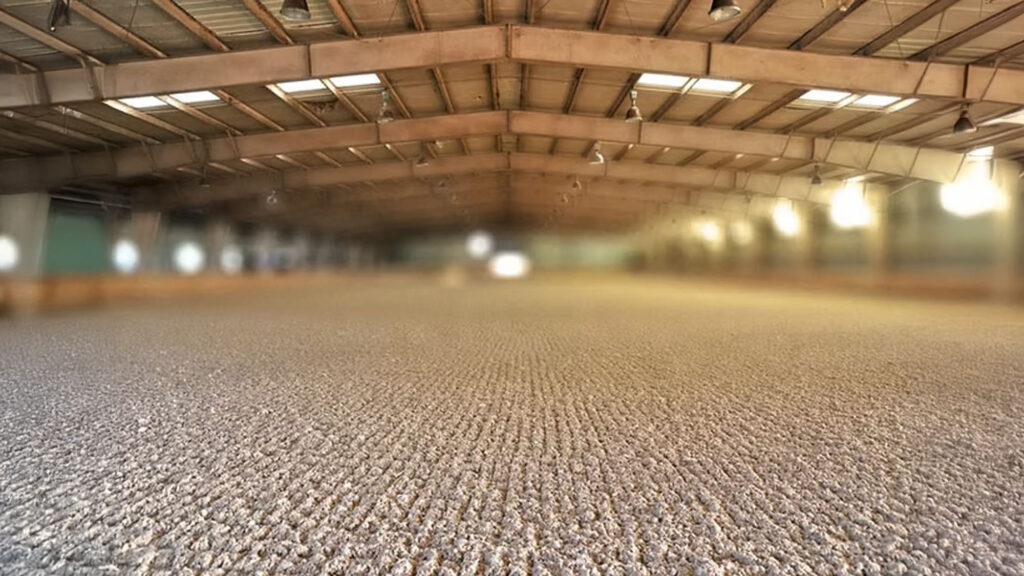
Your arena drag does more than smooth the surface—it preserves footing performance, prevents compaction, and maintains the balance that keeps horses safe and confident. But dragging wrong wastes time, damages footing structure, and creates uneven ride quality. Optimizing your drag routine transforms maintenance from reactive to proactive.
The right technique, timing, and patterns make the difference between a surface that fights you and one that performs consistently. Here’s how to get arena dragging right.
Drag when footing is right:
Frequency patterns:
Dragging too often pulverizes structure. Dragging too rarely lets compaction build. Consistency beats intensity.
Most effective drag patterns:
Figure 8 pattern:
Why it works: Breaks up directional compaction, redistributes material evenly, prevents track buildup.
Avoid these common mistakes:
Sand footing: Lighter settings, more frequent passes
Sand + fiber blends: Medium penetration, crisscross patterns
Native soil mixes: Deeper initial scarification, lighter finish passes
Quick test: Drag leaves clean hoof prints 1/4″ deep. Adjust weight/depth until perfect.
Optimal speeds:
Too fast pulverizes fibers and creates waves. Too slow packs material. Consistent speed = consistent surface.
Light settings for:
Heavy settings for:
Pro tip: Removable weights let you adjust on the fly. Start light, add only as needed.
3-pass system works best:
Pass 1 – Scarify: Deepest setting, figure-8 pattern, slow speed
Pass 2 – Blend: Medium setting, crisscross angles
Pass 3 – Finish: Light setting, straight centerline smoothing
Each pass builds on the last, creating layered uniformity without overworking any one area.
Pre-drag checklist:
Quick fix: 5-10 minutes light watering if too dry. Wait 30 minutes before dragging.
High-wear zones need special attention:
Double-pass these areas using opposite angles to break up repetitive compaction.
Before every session:
[ ] Tines sharp, not bent
[ ] Weight balanced side-to-side
[ ] Hitch aligned (no pulling left/right)
[ ] Chain/sling length correct
[ ] No material buildup on drag
[ ] Tractor 4WD if uneven terrain
Poor setup creates 80% of dragging problems.
Spring (post-winter): Deep scarification, moisture testing
Summer (peak use): Frequent light passes, dust control
Fall (pre-freeze): Final deep grooming, winter prep
Winter (frozen): Minimal disturbance or indoor only
Good drag leaves:
Redo if you see:
Daily routine for busy facilities:
This sequence preserves footing structure while eliminating 95% of surface problems.
Your drag routine shapes every ride. Consistent, thoughtful technique maintains footing performance while preventing the expensive problems that come from neglect. A perfect surface doesn’t happen by accident—it comes from doing the maintenance right.
At GGT Footing, we know optimized dragging extends footing life while maximizing ride quality. Perfect your routine and watch your arena perform better every day.