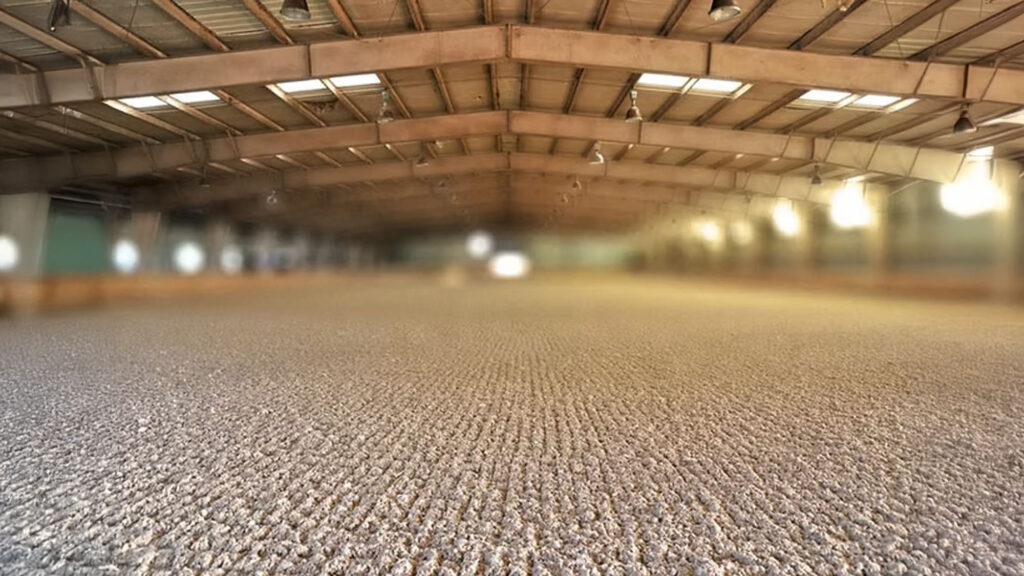
When temperatures rise, your arena footing faces some of its toughest conditions of the year. Heat, dryness, and increased riding frequency can quickly break down even well-built surfaces. With the right maintenance approach, however, you can preserve performance, extend footing life, and provide a safer, more consistent ride all summer long.
Moisture is one of the most critical factors in maintaining arena footing during summer. Dry footing can become dusty, loose, and unstable, increasing the risk of injury for both horse and rider.
To maintain ideal moisture levels:
For arenas using fiber-blended footing like GGT Footing, proper moisture helps fibers bind with sand particles, creating a stable and cushioned surface.
Dragging helps maintain an even surface, but overdoing it or using incorrect techniques can disrupt footing structure.
Best practices include:
Using the right equipment and settings ensures your arena remains level without compromising footing integrity.
Summer riding schedules often mean increased arena use, which can lead to compaction—especially in frequently traveled areas like corners, rail lines, and jump approaches.
To address compaction:
Maintaining proper balance between firmness and cushion is key to long-term footing performance.
Dust is more than just a nuisance—it can impact horse respiratory health and reduce visibility during rides.
To minimize dust:
High-quality footing systems, like those from GGT Footing, are designed to reduce dust when properly maintained, supporting a healthier riding environment.
Even the best footing cannot perform well without a stable base. Summer heat and occasional heavy rain can shift or compromise your arena foundation.
Be proactive by:
A strong base supports consistent footing performance and reduces the need for frequent repairs.
Summer weather can be unpredictable, with periods of intense heat followed by heavy rain. Each condition affects your footing differently.
Prepare by:
Flexibility in your approach helps protect your investment and maintain ride quality.
Summer maintenance is about consistency, observation, and small adjustments that prevent larger issues. By managing moisture, dragging correctly, and monitoring surface conditions, you can extend the life of your footing and ensure a safe, reliable ride.
GGT Footing is designed to perform in a variety of climates, but like any high-quality surface, it benefits from a thoughtful maintenance routine tailored to seasonal demands.