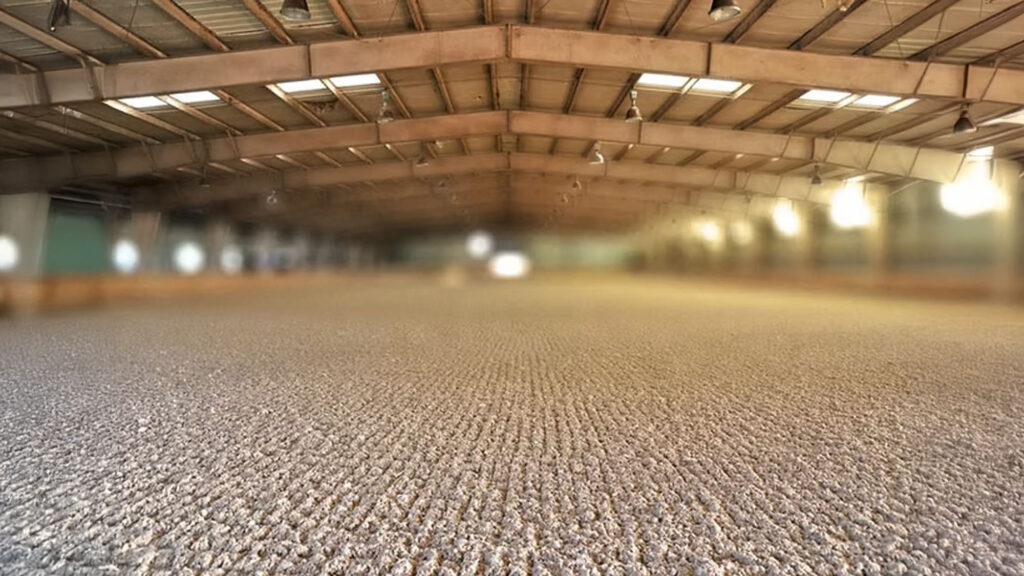
The foundation of an arena has a major impact on how the surface performs, how much maintenance it needs, and how long it lasts. Traditional bases have been used for years, but arena base mats offer a different approach that can improve stability and consistency. Understanding the difference between the two can help facility owners choose the best option for their arena goals.
A traditional arena base is usually built using compacted materials such as stone, gravel, sand, or other layered components designed to support the footing above it. When installed correctly, this type of base can provide a solid foundation for riding. However, it often depends heavily on grading, compaction, and drainage to stay effective over time.
Traditional bases can work well in many situations, but they may shift, settle, or require more upkeep as the arena sees regular use. Over time, heavy traffic and moisture can create uneven areas that affect ride quality. That means the base must be carefully maintained to continue supporting the footing properly.
Arena base mats are designed to create a more stable layer beneath the footing. Instead of relying only on compacted material, mats help distribute weight more evenly and support the surface above them. This added stability can help reduce shifting, rutting, and surface breakdown.
Base mats are especially useful in arenas where consistency matters. They can help improve how the footing holds up under regular use and changing weather conditions. For facility owners, that can mean fewer disruptions and better long-term performance.
One of the biggest differences between base mats and traditional bases is how they handle movement and pressure. Traditional bases rely on compaction and material structure to stay firm, which can work well at first but may change over time. Base mats add another layer of support that helps maintain a more uniform surface.
That stability can improve the way the footing rides. Horses may experience fewer abrupt changes in surface feel, and riders may notice a more predictable arena overall. For disciplines that require consistency, that can be a major advantage.
Drainage is another important factor in the comparison. Traditional bases depend on proper grading and drainage design to move water away from the arena effectively. If drainage is not ideal, moisture can weaken the base and create soft or uneven areas.
Base mats can help support better moisture management by creating a more dependable structure beneath the footing. While they do not replace a drainage system, they can work with it to improve overall arena performance. In wetter climates or high-use arenas, that added support can be especially valuable.
Traditional bases often require more ongoing maintenance to stay level and functional. That may include frequent grading, material replacement, or repairs to address soft spots and uneven wear. Over time, those tasks can increase labor and operating costs.
Base mats can help reduce some of that maintenance by providing a more consistent foundation. When the base is more stable, the footing above it is easier to manage. That can save time and help the arena stay in better condition longer.
The upfront cost of arena base mats may be higher than a traditional base alone, but the long-term value can be stronger. Less maintenance, improved stability, and better footing consistency may all contribute to lower costs over time. For many facility owners, that makes base mats a smart investment.
Traditional bases still have their place, especially when properly built and maintained. But for arenas that need added durability and consistency, base mats can provide a meaningful advantage. The best choice depends on how the arena will be used and what kind of performance is expected over the long term.
Every arena is different, and the right foundation depends on the site, climate, discipline, and budget. Traditional bases can work well in some settings, while base mats may offer a better solution for others. The key is choosing a system that supports the footing and matches the demands of the arena.
A strong foundation is what helps an arena perform day after day. Whether you use a traditional base or arena base mats, the goal is the same: a safer, more reliable riding surface that lasts.