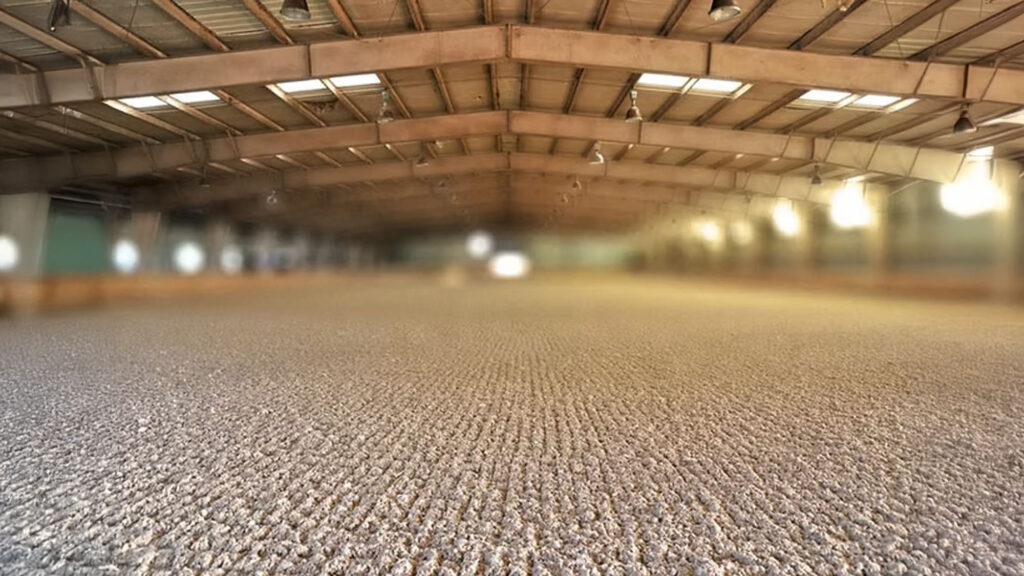
Arena footing is one of the most important parts of an equestrian facility, yet it is often judged only by the initial price tag. A surface that seems affordable at first can lead to higher maintenance, faster wear, and more frequent repairs over time. For barn owners, trainers, and riders, the real cost of poor footing usually shows up gradually.
An equestrian surface does more than provide a place to ride. It affects horse comfort, rider safety, arena performance, and how much time and money goes into upkeep. When the footing is not built or maintained properly, the entire riding experience can suffer.
Poor surfaces often create uneven conditions that are hard to manage. Some areas may become too deep, while others turn hard or compacted. That inconsistency can make the arena less usable and more expensive to maintain.
One of the first hidden costs of a poor equestrian surface is the extra labor it requires. Surfaces that shift, rut, or compact unevenly need frequent dragging, leveling, and correction. Those tasks take time and equipment, and they often become part of a never-ending cycle.
In a busy facility, that extra maintenance can add up quickly. Staff may spend more time fixing the arena than using it. Over the long term, the cost of repeated labor can exceed the savings of choosing a cheaper surface upfront.
Low-quality footing tends to break down faster under regular use. Once that happens, the arena may need more material added, more repairs made, or in some cases a full renovation. That creates ongoing expenses that are often overlooked during the original purchase decision.
A better surface is designed to last longer and handle wear more effectively. By contrast, a poor surface may need attention far sooner than expected. This short lifespan can make the initial savings disappear quickly.
The condition of the arena surface also affects the horses and riders using it every day. If footing is too hard, too loose, dusty, or uneven, it can place added stress on horses and make riding less comfortable. That may increase the risk of fatigue, strain, or inconsistent performance.
For riders, a poor surface can affect confidence and quality of work. A ring that feels different from one day to the next is harder to train in and less reliable for lessons or competition preparation. That loss of consistency can have real consequences for a facility’s reputation and effectiveness.
Water management is another major hidden cost. If the surface and base do not drain properly, moisture can collect in the arena and weaken the footing. Wet spots, soft areas, and surface breakdown often follow.
Once drainage issues start, repairs can become costly and disruptive. Fixing the footing without fixing the base usually only solves the problem temporarily. A poor surface can therefore lead to repeated spending on the same issues.
When an arena surface performs poorly, the facility may not be able to use it as often as planned. Weather may shut it down more quickly, or certain sections may need to be avoided because they are unsafe or unstable. That limited usability can affect training schedules, lesson programs, and event planning.
For commercial facilities, lost riding time can also mean lost revenue. Even for private barns, reduced access lowers the value of the arena as a whole. A surface that cannot be used consistently becomes a financial burden instead of a long-term asset.
Choosing a quality equestrian surface is not just about comfort. It is about protecting the arena from the hidden costs that come with poor footing. A well-designed surface can help reduce maintenance, extend usability, and support better long-term performance.
For many facilities, the smartest choice is the one that costs less over time, not just less at the start. Investing in the right footing helps avoid the expensive cycle of repairs, downtime, and replacement. That is where the real value begins.