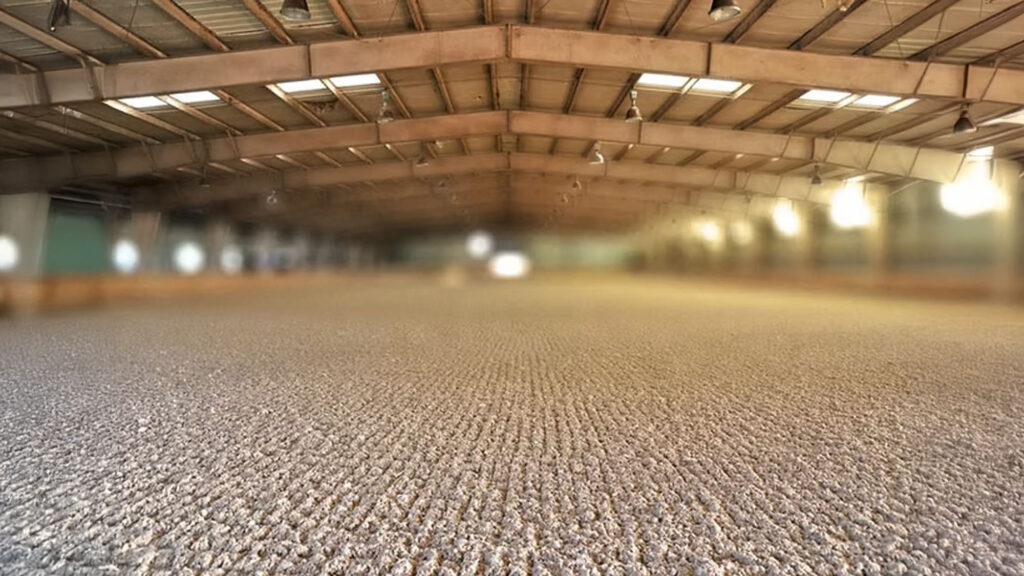
Maintaining a high-quality riding surface is not about a single task, but how multiple maintenance practices work together. Among these, dragging and watering form the foundation of effective arena care. When combined correctly, they create a surface that stays consistent, performs reliably, and lasts significantly longer.
Dragging and watering are often treated as separate routines, when in reality, they are deeply connected. Each one directly affects how the other performs.
Water introduces cohesion to the footing, while dragging distributes that moisture evenly throughout the surface. Without this partnership:
When used together, they create a uniform, stable surface from top to bottom.
If one practice outweighs the other, footing quality quickly declines.
Dragging without proper moisture can:
Watering without proper dragging can:
The goal is not just frequency, but coordination.
When dragging and watering are aligned, they reinforce each other to maintain peak footing conditions.
This combination helps:
For riders, this translates into a surface that feels the same in every stride, turn, and transition.
One of the most overlooked aspects of arena maintenance is timing. When you drag and when you water can be just as important as how often you do it.
Best practices include:
This sequence ensures that moisture is not just applied—but effectively integrated into the footing.
GGT Footing is engineered to improve stability and enhance moisture retention. However, its performance depends on proper maintenance.
Dragging helps keep fibers evenly mixed within the sand, while watering supports the cohesion that allows those fibers to function effectively and minimize dust. Together, they:
This synergy is what allows premium footing systems to deliver long-term results.
Instead of thinking of dragging and watering as routine chores, it’s more effective to view them as a coordinated strategy. Small adjustments in how these practices are combined can make a significant difference in both performance and longevity.
Pay attention to how your arena responds:
These signals often point to an imbalance between grooming and moisture.
An arena in peak condition doesn’t happen by chance—it’s the result of consistent, intentional care. By treating dragging and watering as a unified system, you create a surface that stays balanced, performs predictably, and supports your horse every step of the way.
With the right approach, your footing won’t just look good—it will ride exactly the way it’s meant to.