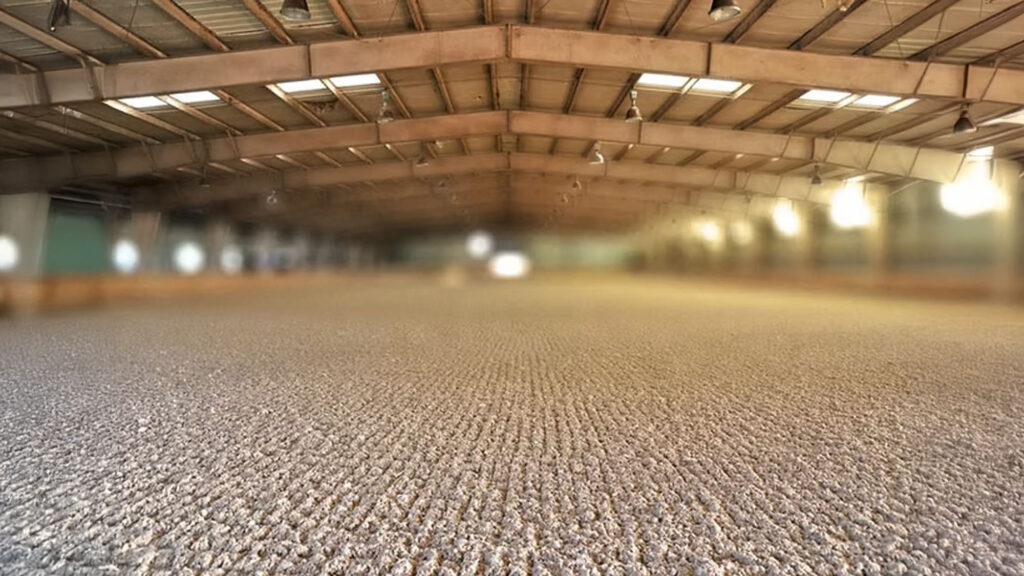
When it comes to arena footing, the lowest upfront price is not always the best value. A surface that looks affordable at first can end up costing more over time if it requires frequent repairs, heavy maintenance, or premature replacement. That is why the real cost of good arena footing is about more than the initial purchase — it is about how the footing performs, how long it lasts, and how much effort it takes to keep it in good shape.
For horse owners, trainers, and facility managers, footing is one of the most important investments in an arena. It affects safety, ride quality, drainage, maintenance, and the overall experience for both horse and rider. Understanding the full cost helps you make a smarter decision from the start.
It is easy to focus on the first number you hear when comparing footing options. But a lower price does not always mean a better deal. If a footing system breaks down quickly, needs constant watering, or performs inconsistently, the long-term cost can rise fast.
Some footing products may seem budget-friendly but require more labor, more equipment use, or more frequent top-offs to stay functional. Others may cost more at the beginning but hold their structure and performance much longer. Looking at the full lifespan of the footing gives you a more accurate picture of value.
Several factors influence the cost of arena footing, and not all of them are obvious at first. The type of material, the condition of the base, the size of the arena, and the climate all play a role in the final investment. Maintenance expectations and riding discipline also matter.
A dressage arena may need a different surface feel than a jumping ring or a multi-use training arena. A facility in a dry climate may need footing that retains moisture better, while a wetter region may need better drainage support. When evaluating cost, it helps to think about how the arena will actually be used every day.
A good footing system starts with a good base. If the base is poorly graded or does not drain well, the surface above it will struggle no matter how good the footing material is. That means base preparation can have a major effect on the total cost of the project.
In some cases, investing in a better base from the beginning can reduce the need for costly fixes later. A stable, well-built base helps the footing perform more consistently and can extend the life of the entire surface. That makes it one of the most important parts of the long-term equation.
The actual footing material has a big impact on cost and performance. Higher-quality footing may last longer, ride better, and require less frequent replacement. Lower-cost materials may need more maintenance or wear out more quickly, which can increase the total cost over time.
Blended footing systems often offer better stability and consistency than basic materials alone. If the footing is designed to support the right amount of cushion, traction, and structure, it can reduce daily maintenance demands and improve the long-term return on your investment. The best choice depends on the arena’s goals, but quality should always be part of the decision.
Arena footing is not a one-time purchase. It requires ongoing maintenance to stay in good condition. Grooming, watering, material redistribution, and periodic top-offs all contribute to the real cost of ownership.
Some footing systems are easier to maintain than others. If a surface demands constant attention just to stay usable, the labor cost can become significant over time. That is why a footing system that balances performance with manageable upkeep often delivers the best overall value.
The more an arena is used, the more important footing performance becomes. A private arena with light use may have different needs than a lesson barn, boarding facility, or competition venue. High-traffic arenas often require more durable materials and more consistent maintenance to keep the surface performing well.
Heavy use can also reveal weaknesses faster. If the footing shifts, compacts, or separates under regular traffic, it may need to be replaced sooner. Choosing the right footing for the level of use helps avoid unnecessary costs later.
It may seem counterintuitive, but investing in higher-quality footing can actually save money. A better system may reduce maintenance time, last longer, and create fewer performance issues. It can also help support horse comfort and reduce wear on the arena surface itself.
A footing system that performs well over time can help avoid the hidden costs of frustration, repairs, and frequent replacement. When the arena works the way it should, everyone benefits — from the horses and riders to the people responsible for maintaining the facility.
The real cost of arena footing is not just what you pay on installation day. It includes maintenance, durability, performance, and how well the footing fits the needs of the facility over time. A smart investment is one that supports daily use without creating avoidable problems down the road.
At GGT Footing, we believe good footing should deliver real value, not just a low price tag. When you choose a surface based on long-term performance, you are more likely to create an arena that works better and lasts longer.
Good arena footing is an investment in safety, consistency, and long-term performance. The true cost depends on the materials, base, maintenance, and use patterns, but the cheapest option is not always the most economical one. A surface that performs well and holds up over time often provides the best return.
If you are planning a new arena or evaluating an existing one, think beyond the initial quote. The right footing system can save time, reduce stress, and create a better ride for years to come.