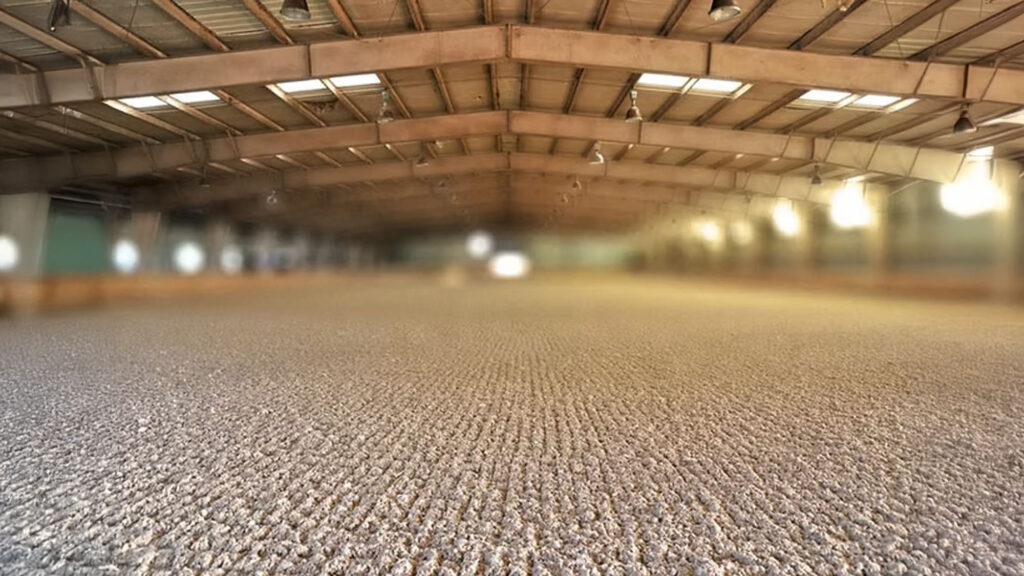
Consistency in an equestrian arena surface is not just a luxury—it is essential for horse safety, rider confidence, and long-term performance. Whether you are training daily or hosting competitions, the reliability of your footing directly impacts outcomes in the saddle. But what exactly makes an equestrian surface perform well day after day?
A high-performing arena surface strikes the right balance between firmness and shock absorption. If the footing is too hard, it increases concussion on joints and tendons. Too soft, and it becomes unstable, leading to fatigue and potential injury.
Consistency comes from a surface that:
Modern footing systems are engineered to deliver this balance, ensuring each stride feels predictable.
Not all sand is created equal. The type, shape, and size of sand particles significantly influence how a surface behaves.
Key material factors include:
For example, fiber-reinforced footing systems help bind sand particles together, improving traction and reducing displacement during use.
Even the best footing materials will underperform if the foundation is not properly constructed. A consistent, well-compacted base is critical to long-term success.
A reliable arena surface depends on:
Without these elements, inconsistencies will develop quickly, regardless of footing quality.
A consistently performing surface should not require constant correction. While all arenas need upkeep, advanced footing solutions are designed to reduce maintenance demands.
Look for surfaces that:
This is especially valuable for busy training facilities where time and labor are limited.
Different riding disciplines place different demands on footing. A jumping arena requires different performance characteristics than a dressage or multi-use arena.
Consistency improves when the surface is tailored to:
Customizing your footing system ensures it performs as expected under specific conditions.
A consistently performing equestrian surface is the result of thoughtful design, quality materials, and proper maintenance. When these elements come together, riders experience better control, horses move more confidently, and the risk of injury is reduced.
Investing in the right footing system is not just about today’s ride—it is about creating a dependable foundation for every ride to come.