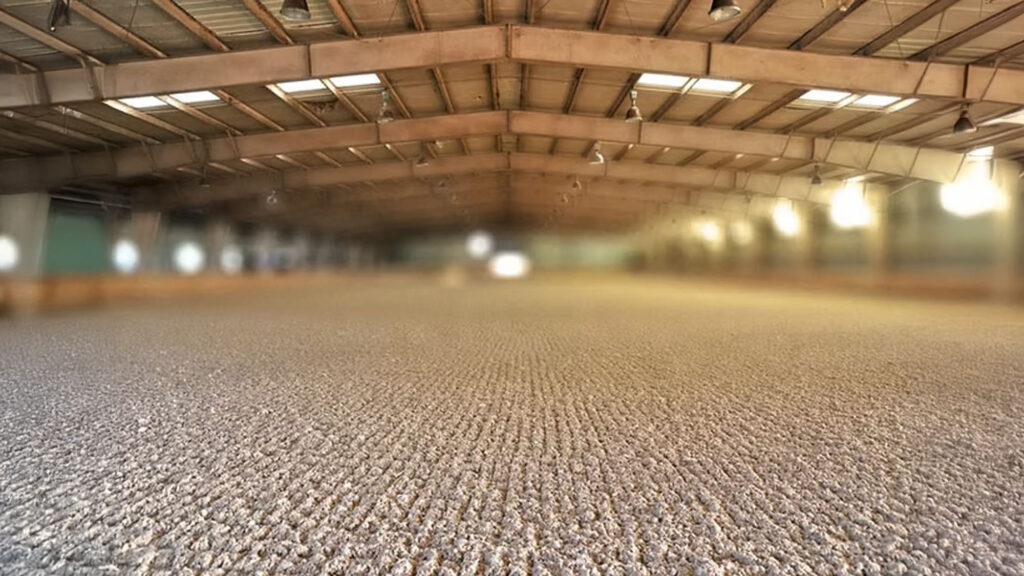
Behind every consistent, safe, and high-performing riding surface is a well-designed arena base. While footing materials often get the most attention, the base is the structural layer that determines how your surface drains, how it feels underfoot, and how long it will last. Understanding how the arena base works—and where it can fail—helps facility owners make better long-term decisions for both performance and horse welfare.
The arena base is more than just a layer beneath the footing. It serves several critical functions that directly affect how your arena rides day to day.
When the base is designed correctly, riders experience a more consistent surface, and horses benefit from reduced stress on joints and soft tissues.
A high-performing arena base is typically built in layers, each with a specific purpose. While construction methods vary by region and discipline, several elements are commonly used:
Attention to compaction, grading, and material selection at each stage is essential. Small errors in the base are often magnified once footing is installed.
One of the most important roles of the arena base is water management. Poor drainage can lead to standing water, inconsistent footing, and long-term structural damage.
Good drainage supports year-round usability, reduces maintenance demands, and helps the footing retain its intended properties after rainfall or irrigation.
Horses rely on predictable footing to move confidently. The base directly influences how the hoof interacts with the surface.
A well-built base allows the footing layer to provide controlled cushioning and traction, helping horses perform with more security and less risk of injury.
When the base is not properly designed or maintained, problems often appear at the surface:
Addressing these issues typically requires more than just adding new footing; it often means evaluating and correcting the base itself.
Although the arena base is not the most visible part of the project, it is one of the most important long-term investments. Thoughtful design and construction can:
For new builds, careful planning of site preparation, drainage, and base construction can prevent costly corrections later. For existing arenas, understanding how your base is performing is a key step before upgrading or changing footing.