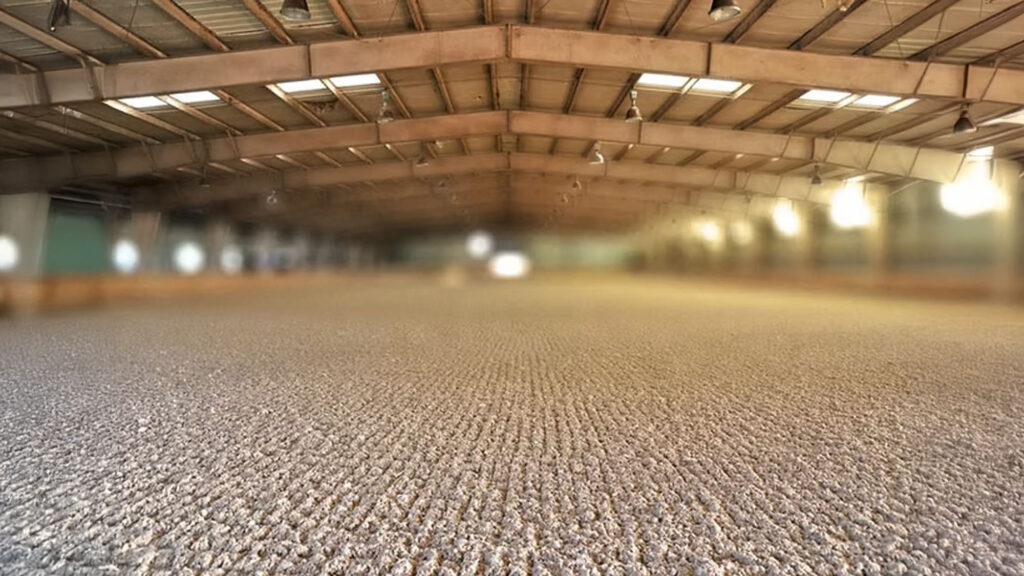
When your arena starts to feel too deep, too hard, or just plain inconsistent, it affects every ride. For GGT Footing customers and arena owners in general, understanding why the footing isn’t performing is the first step toward safer, more predictable work for both horse and rider.
If horses are “stuck” in the footing, laboring through each stride, or leaving deep tracks that don’t rebound, your surface may be riding too deep. This can strain soft tissue, increase fatigue, and make collection or quick adjustments difficult.
Common causes include:
How to fix it:
A surface that feels like concrete underfoot can lead to increased concussion, short strides, and horses that seem reluctant to move freely forward. Riders may notice more jar through the seat and joints, and soundness issues can creep in over time.
Common causes include:
How to fix it:
One of the most common rider complaints is inconsistency—good footing in one area and deep, slick, or hard patches elsewhere. This can undermine confidence, especially in disciplines that require precision like jumping and dressage.
Common causes include:
How to fix it:
Dust is more than a nuisance—it’s a sign that materials are breaking down and that moisture levels are off. Slippery footing, on the other hand, can cause horses to lose confidence in turns, transitions, and takeoffs.
Common causes include:
How to fix it:
Sometimes footing problems are really base problems in disguise. If you see:
then the base or drainage may need attention. In these cases, quick fixes to the top layer won’t hold for long. A professional evaluation can determine whether regrading, improved drainage, or the addition of base mats would offer a longer-term solution.
If your footing isn’t performing, it doesn’t mean you need to start over from scratch. A systematic approach—identify the symptoms, pinpoint likely causes, then match them with targeted solutions—can restore safety and rideability.
This is also the perfect moment to match your footing to your discipline and use type, ensuring the surface truly supports how your arena is ridden every day. By combining the right materials, consistent grooming, and sound base construction, you can transform a frustrating surface into one that reliably supports every ride, from everyday schooling to competition preparation.