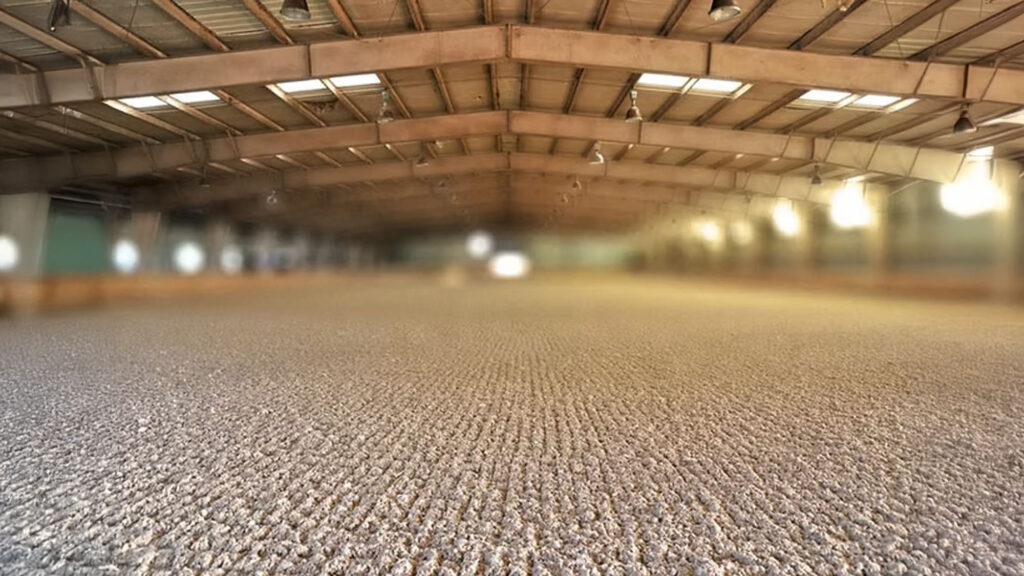
Creating the best footing in your horse arena is not about choosing one product or completing one maintenance task. A reliable riding surface comes from the right combination of quality materials, a properly prepared base, consistent moisture management, and a maintenance routine that matches how your arena is used.
Whether you ride daily, host lessons, train for competition, or maintain a private arena at home, footing should provide dependable traction, cushioning, and stability. GGT Footing blends are designed to work with quality sand and thoughtful maintenance practices to help create a surface that performs consistently for horses and riders.
The best horse arena footing begins below the surface. Even premium footing materials cannot fully compensate for a base that is uneven, unstable, poorly compacted, or unable to drain correctly.
A well-built arena base helps support the footing above it by promoting drainage and preventing excessive movement or mixing of materials. When the base is level and properly prepared, it is easier to maintain a consistent footing depth across the arena.
Before adding or refreshing footing, consider:
Addressing base and drainage concerns early can help protect your footing investment and reduce the need for major surface corrections later.
Sand is a major component of most arena surfaces, but not all sand performs the same way. Particle shape, size, cleanliness, and consistency can influence how a surface feels underfoot.
The ideal sand for your arena depends on your discipline, climate, riding frequency, and the footing system you plan to use. In general, arena sand should be clean and properly graded so it can work effectively with additives such as fiber.
When evaluating sand, avoid making a decision based on color alone. A sand sample may look appealing but still contain particles that contribute to poor drainage, compaction, or inconsistent footing. Working with an experienced arena professional and reviewing material samples can help you make a more informed choice.
Once the sand and base are in place, footing additives can help improve the surface’s performance. GGT Footing fiber is designed to blend with sand, helping create a more stable and supportive surface.
Fiber can help reduce excessive displacement while improving the cushion and rideability of the arena. When it is properly mixed and maintained, a fiber-blended footing can offer a more consistent feel across the surface.
The right fiber blend and application rate depend on several factors, including:
For more information about fiber blends, arena conditioners, and related footing products, explore GGT Footing’s arena solutions.
Moisture is one of the most important elements of horse arena footing maintenance. A surface that becomes too dry may feel loose, dusty, or unstable. In contrast, excessive water can leave footing heavy, deep, and difficult to groom.
In fiber-blended footing, moisture helps the sand and fiber work together more effectively. The goal is not necessarily to keep every arena wet, but to maintain a consistent moisture level that supports the surface’s intended performance.
During hot, dry periods, regular watering can help limit dust and preserve footing stability. Pay close attention to areas exposed to direct sunlight, as well as high-traffic locations such as corners, rail lines, jump approaches, and takeoff or landing zones.
For seasonal care ideas: Summer Maintenance Tips for Horse Arena Footing That Lasts.
Dragging is essential for leveling footing and redistributing material, but the goal is not simply to drag more often. Correct drag depth, timing, and pattern all affect long-term surface quality.
Dragging too deeply can disturb the base, separate fiber from sand, or pull excess footing into certain areas. Dragging too shallowly may not adequately address compaction or uneven wear. The best setting depends on the arena’s construction, footing depth, and equipment.
A practical drag routine should:
On busy days, even a focused maintenance pass can make a difference. Readers can also learn more in Quick Horse Arena Drag Maintenance.
No arena wears evenly. Horses naturally travel along the rail, turn through corners, and work repeatedly in specific areas. Over time, those patterns can create compacted spots, uneven footing depth, or changes in surface consistency.
Make a habit of walking the arena and observing how it rides. Look for areas where footing has become too deep, thin, hard, or dry. Correcting small issues early is usually easier and more cost-effective than waiting for the entire surface to require attention.
Regular inspections also help you recognize when your maintenance routine needs an adjustment. If the same issue keeps returning, the solution may involve changing your drag pattern, watering schedule, footing depth, or equipment settings.
The best footing maintenance plan is one you can realistically follow. A busy lesson barn may need daily watering and grooming, while a lightly used private arena may require a different schedule. Weather, footing type, horse traffic, and arena design should all guide your decisions.
A simple routine may include checking moisture before riding, grooming as needed, watching for uneven spots, and scheduling periodic deeper maintenance. Keeping a record of watering, dragging, and footing adjustments can also help you identify patterns over time.
Great footing is not a one-time project. It is the result of consistent care, quality materials, and adjustments that support the way you and your horses use the arena. With the right foundation, fiber blend, moisture, and maintenance routine, your arena can provide a safer, more comfortable, and more dependable ride season after season.